

Categories
Uncategorized

Music Taste and Astrology: How Sonic Synastry Shapes Love

When you meet someone new, two reveals often happen faster than any deep personal confession: swapping favorite artists and checking zodiac signs. While modern dating culture often treats both as fun icebreakers, the intersection between your musical taste and your astrological birth chart runs far deeper than surface-level aesthetic preferences. Together, they form an intimate blueprint of how you process emotions, express vulnerability, and seek connection.

Romantic compatibility is not about finding someone with an identical record collection or an identical sun sign. Rather, it is about harmony, rhythm, and dynamic contrast. By understanding how planetary placements—particularly Venus, the Moon, Neptune, and Mercury—align with musical frequencies, you can decode why certain people feel instantly familiar while others spark friction.

Whether you have experienced the whirlwind intensity of a brief cosmic fling or the steady rhythm of a long-term partnership, understanding sonic synastry helps you cut through dating burnout, decode unspoken vibes, and identify partners who resonate with your true frequency.

Why Do Music and Astrology Predict Chemistry So Accurately?

Music and astrology both function as symbolic languages of human emotion. Where astrological synastry maps the energetic exchange between two birth charts, musical taste reflects how an individual actively channels, regulates, and expresses those energies in real life.

Neuroscientific research demonstrates that listening to music releases dopamine and activates neural circuits tied to empathy, social bonding, and memory. In astrology, your planetary positions describe the exact same psychological landscapes. When two people discover that they share both compatible astrological aspects and harmonious sonic palettes, they experience an immediate sense of emotional safety and mutual understanding.

Consider what happens when you share a private playlist with a potential partner. You are not simply sharing songs; you are offering a curated tour of your internal emotional landscape. When that music resonates with their chart, the connection bypasses superficial small talk and establishes an instant bridge of empathy.

Which Astrological Placements Govern Your Musical Taste and Romantic Style?

To understand how your astrological blueprint influences your romantic and musical inclinations, you must look beyond your Sun sign. Your Sun reflects your core ego identity, but your musical resonance and romantic bonding mechanisms are governed by specific personal and outer planets.

1. Venus: Aesthetics, Value Systems, and Seduction

Venus dictates what you find beautiful, how you flirt, what you value in romance, and the sensory textures that put you in a romantic mood.

  • Venus in Fire Signs (Aries, Leo, Sagittarius): Drawn to energetic tempos, high-energy live shows, brassy hooks, anthemic choruses, and bold genre fusions. Fire Venus seeks passion, spontaneity, and excitement in both their music and their dating life.
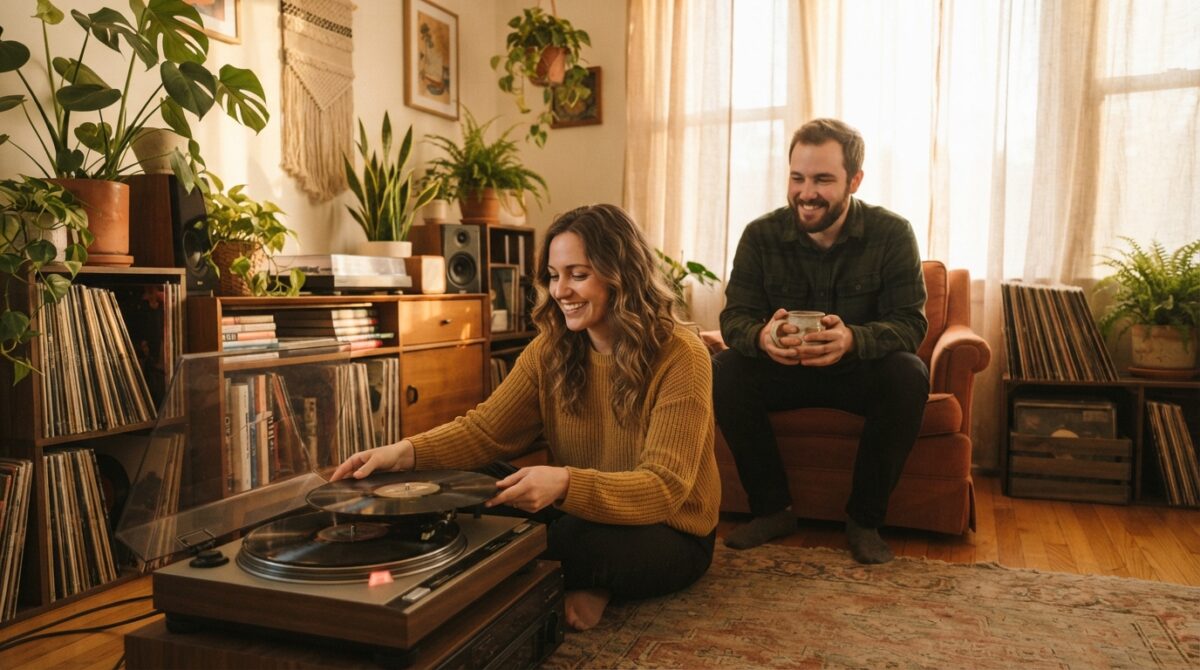
  • Venus in Earth Signs (Taurus, Virgo, Capricorn): Gravitates toward rich acoustic textures, meticulous production quality, analog warmth, vinyl records, and timeless classics. Earth Venus values dependability, craftsmanship, and grounded sensuality.
  • Venus in Air Signs (Gemini, Libra, Aquarius): Loves witty lyricism, indie synth-pop, eclectic curation, polyrhythms, and conceptual albums. Air Venus bonds through intellectual curiosity, clever banter, and genre-hopping discoveries.
  • Venus in Water Signs (Cancer, Scorpio, Pisces): Craves deep emotional resonance, atmospheric soundscapes, melancholic melodies, cinematic scores, and raw vulnerability. Water Venus looks for emotional depth and soul-level intimacy.

2. The Moon: Emotional Processing and Private Listening Habits

Your Moon sign reveals your inner emotional world, your subconscious needs, and the music you listen to behind closed doors when processing heartbreak, nostalgia, or solitude.

When your Moon harmonizes with a partner’s Moon or Venus through soft aspects (trines or sextiles), you naturally tune into the same emotional wavelength. A Cancer Moon and a Pisces Moon, for example, will both find catharsis in ambient, evocative music that allows them to decompress without speaking a word.

3. Neptune: Musical Transcendence and Soulmate Illusions

Neptune is the higher octave of Venus, governing dreams, spirituality, artistic transcendence, and unconditional love. It is the planet of music itself—the invisible force that turns sound waves into emotional magic.

In synastry, strong Neptune contacts (such as Neptune trine Venus or Neptune conjunct Sun) can create an ethereal, out-of-this-world romantic connection where shared songs feel prophetic. However, Neptune aspects also require grounded discernment to ensure that you are falling in love with the actual human being rather than an idealized, cinematic fantasy.

4. Mercury: Lyrical Communication and Musical Banter

Mercury governs how you think, communicate, and interpret meaning. In music, Mercury rules wordplay, lyricism, and storytelling. In relationships, Mercury-Mercury harmony allows two people to endlessly discuss album lore, trade song lyrics as inside jokes, and communicate complex feelings through sonic recommendations.

The Four Elements in Harmony: Mapping Musical Chemistry Across the Zodiac

Understanding elemental compatibility provides a practical framework for navigating romantic dynamics on early dates and in committed partnerships.

Element Sonic Landscape Romantic Superpower Potential Blind Spot
Fire (Aries, Leo, Sag) Upbeat, rock, hyperpop, energetic rap Spontaneous passion and infectious vitality Impatience with slow-burning emotional intimacy
Earth (Taurus, Virgo, Cap) R&B, folk, classical, warm jazz, lo-fi Steadfast loyalty and sensual grounding Resistance to stepping outside musical comfort zones
Air (Gemini, Libra, Aqua) Indie pop, electronic, experimental, art rock Intellectual banter and open-minded curation Overthinking emotions instead of feeling them
Water (Cancer, Scorpio, Pisces) Dream pop, soul, cinematic, alternative Deep vulnerability and intuitive empathy Getting lost in moody nostalgia or unexpressed feelings

Fire and Air: The Upbeat Innovators

When Fire and Air unite, the dynamic is lively, social, and full of creative momentum. Air introduces Fire to groundbreaking experimental tracks and underground collectives, while Fire brings the raw energy to dance until sunrise. Their shared challenge is learning how to sit together in quiet stillness once the music stops.

Earth and Water: The Grounded Romantics

Earth and Water form a deeply nourishing and restorative bond. Earth provides stability, consistency, and a comfortable atmosphere, while Water infuses the relationship with emotional vulnerability, soul, and creative depth. Their shared dates often involve cozy evenings listening to vinyl records, cooking together, and exploring personal reflections.

Decoding the ‘Canon Events’ of Modern Dating: Red Flags vs. Cosmic Alignment

Many daters find themselves trapped in recurring relationship patterns—often called romantic “canon events.” These are intense, transformative connections that teach essential boundaries and self-awareness, even if they end abruptly. Astrological synastry and musical dynamics offer distinct clues to help you identify whether a connection is built for long-term growth or merely a temporary lesson.

1. The Mars-Pluto Trap vs. Venus-Jupiter Harmony

The Scenario: You meet someone whose taste in music is overwhelmingly intense, primal, and intoxicating. Every date feels like an adrenaline rush, accompanied by heavy bass and late nights, but the connection quickly devolves into possessiveness, power struggles, or emotional volatility.

The Astrological Reality: This dynamic frequently mirrors harsh Mars-Pluto or Venus-Pluto synastry aspects. While the initial sexual and musical chemistry is undeniable, it thrives on tension rather than genuine safety. In contrast, harmonious Venus-Jupiter or Sun-Venus aspects feel warm, expansive, and easygoing—like a bright, uplifting song you never tire of hearing.

Actionable Takeaway: Do not mistake nervous system dysregulation or adrenaline for genuine romantic compatibility. If a connection requires constant emotional drama to feel exciting, it is likely an attachment trigger rather than sustainable resonance.

2. Lyrical Narcissism vs. Active Listening

The Scenario: A date sends you a 50-track playlist to demonstrate their refined taste, yet never listens to the tracks you recommend or talks over the songs you play in the car.

The Astrological Reality: This behavior reflects an imbalanced Mercury or unevolved Leo/Aries placement where performance overshadows genuine curiosity. True synastry is reciprocal. When someone genuinely values you, they listen to your musical recommendations with the same reverence they show your life stories.

Actionable Takeaway: Pay close attention to how a prospective partner handles musical sharing. Generosity in sharing the aux cord often mirrors emotional generosity in the relationship.

5 Practical Ways to Test Sonic and Astrological Compatibility on Early Dates

You do not need to be a professional astrologer or a touring musician to apply these insights to your dating life. Here are five practical, low-pressure ways to test your alignment early on:

  1. The ‘Three-Track Exchange’ Game: Instead of asking the generic question “What kind of music do you like?”, invite them to share three specific songs: one that hypes them up (Mars/Fire), one that soothes their mind (Moon/Water), and one they consider a lyrical masterpiece (Mercury/Air).
  2. The Grocery Store or Commute Test: Notice what plays in the background during mundane moments. Can you both enjoy comfortable silence, or does conflicting sound create subtle irritation? Everyday domestic rhythm is one of the most reliable indicators of long-term Moon-sign compatibility.
  3. Analyze the Contrast: Having different tastes is not a dealbreaker; in fact, opposite zodiac signs (such as Taurus and Scorpio, or Gemini and Sagittarius) often introduce each other to transformative art. The key is mutual curiosity rather than aesthetic elitism.
  4. Observe Concert Behavior: How does your date behave in a live crowd? Do they immerse themselves in the music (Water/Neptune), analyze the technical performance (Earth/Mercury), dance with uninhibited energy (Fire/Mars), or socialize with everyone around them (Air/Venus)? This reveals how they handle shared energetic environments.
  5. Look at Your Synastry Chart Together: Comparing your planetary placements creates a fun, low-stakes avenue to discuss communication styles, boundaries, and emotional needs without awkwardness.

Conclusion: Finding Harmony on Your Wavelength

Authentic romantic connection is not a product of chance, nor is it about finding a carbon copy of yourself. The strongest partnerships operate like a well-composed song: distinct instruments and contrasting melodies weaving together to create something richer than any single part could achieve alone.

When you align your astrological awareness with your sonic identity, you gain clarity on who you are, what you genuinely need, and how to spot authentic chemistry before investing months into the wrong dynamic. By honoring both your cosmic blueprint and the soundtrack of your life, you open the door to relationships rooted in genuine empathy, shared passions, and effortless flow.

If you are ready to move past superficial swiping and explore connections built on meaningful alignment, Astribes offers a unique space where astrological synastry and real-time music compatibility come together, helping you discover people who truly match your rhythm.

Categories
Uncategorized

Slow Dating Psychology: Bridging Old Romance and Modern Love

Modern dating often feels like an unending marathon of rapid swiping, fleeting dopamine rushes, and sudden disappearances. When romance moves at the speed of an algorithm, intimacy is frequently replaced by anxiety, leaving daters questioning why genuine connection feels so elusive. The answer lies in shifting our perspective: true emotional compatibility is not manufactured in an instant; it is uncovered through conscious, intentional pacing.

Slow dating is the deliberate practice of prioritizing depth over speed, emotional safety over performative charm, and psychological resonance over superficial attraction. By taking cues from classic, courtship-oriented connection styles while integrating contemporary psychological awareness, you can protect your emotional well-being and build a relationship that endures.

Why Does Modern Dating Feel Exhausting? The Psychology of Fast Romance

The exhaustion many daters feel today is a documented psychological phenomenon known as choice overload and burnout. When individuals are presented with hundreds of potential partners daily, the brain shifts from an evaluation mindset (asking ‘How do I feel around this unique person?’) to an optimization mindset (asking ‘Is there someone slightly better just one swipe away?’).

This dynamic triggers several unconscious psychological traps:

  • Dopamine Loops vs. Oxytocin Bonding: Fast-paced messaging and instant gratification flood the nervous system with dopamine, the neurotransmitter of anticipation. However, dopamine alone cannot create emotional security. Lasting attachment requires oxytocin, which only develops through sustained vulnerability, shared physical presence, and calm consistency.
  • The Projection Trap: When conversations move too quickly online without real-world context, daters unconsciously project their ideal fantasies onto a stranger’s curated profile. When reality inevitably fails to match the fantasy, disappointment follows quickly.
  • Hyper-Vigilance and Avoidance: After experiencing repetitive cycles of sudden ghosting or ambiguous situationships, the brain activates defensive survival strategies. Daters either become overly detached to avoid hurt or hyper-anxious in an attempt to control the outcome.

Practical Takeaway: Recognize that dating fatigue is not a personal failure; it is a natural physiological reaction to cognitive and emotional overstimulation. Slowing down your pace is an act of emotional regulation.

The Three Modern ‘Canon Events’ in Dating (and How Psychology Explains Them)

Younger generations frequently discuss ‘canon events’—unavoidable, often painful dating milestones that everyone seems to endure before learning better boundaries. From a clinical perspective, these patterns are predictable behavioral responses to unaddressed attachment needs.

1. The Instant Chemistry Illusion (The Halo Effect)

Many daters confuse intense nervous system activation with genuine compatibility. When someone has charismatic charm, physical attractiveness, or mirrors your interests immediately, cognitive bias leads you to assume they also possess integrity, emotional maturity, and shared values. When the chemistry cools, you are left with someone whose character you barely know.

2. The Ambiguous Situationship (Intermittent Reinforcement)

A situationship thrives on intermittent reinforcement—the same psychological mechanism that makes gambling addictive. Because affection, communication, and validation are offered unpredictably, your brain assigns heightened value to every crumb of attention, keeping you hooked on potential rather than reality.

3. The Hyper-Independent Rebound (Defensive Detachment)

Following a painful breakup or deceptive dynamic, many swing to the opposite extreme: total self-reliance. While autonomy is healthy, hyper-independence is often a trauma response that views mutual reliance as dangerous, shutting out healthy vulnerability before it can even start.

How to Cultivate Old-School Intentionality with Modern Self-Awareness

Returning to traditional relationship values does not mean adopting rigid, outdated gender roles. Instead, it means embracing the deliberate pacing, respect, and emotional presence of classic courtship, enriched by modern emotional intelligence and self-knowledge.

Modern ‘Fast Dating’ Dynamic The ‘Slow & Resonant’ Alternative Psychological Benefit
Chatting with 5+ people simultaneously Focusing on 1 or 2 meaningful conversations Reduces cognitive fatigue; deepens focus
Sharing trauma on Date One (over-disclosure) Graduated vulnerability over time Builds authentic safety and mutual trust
Texting all day before meeting Brief check-ins leading to real-world interaction Prevents false intimacy and projection
Judging based on lifestyle aesthetic Connecting on core values, music, and archetypes Aligns with long-term compatibility

Pacing Your Vulnerability Safely

Vulnerability is the cornerstone of intimacy, but unearned vulnerability is an emotional risk. Psychologist Brené Brown notes that vulnerability without boundaries is not intimacy—it is often an attempt to rush closeness. Practice graduated disclosure: share small aspects of your inner world and observe whether the other person responds with empathy, curiosity, and reciprocity before sharing deeper emotional spaces.

The Power of Subconscious Anchors: Music and Synastry in Connection

How do you determine if someone is genuinely aligned with your temperament when surface-level banter feels rehearsed? The answer lies in identifying deeper sensory, psychological, and archetypal markers.

The Neurochemistry of Shared Musical Taste

Music is one of the few human activities that activates almost every region of the brain simultaneously. When two people resonate with similar musical harmonies, rhythms, and lyrical themes, their neural oscillations naturally sync—a state known in neuroscience as interpersonal synchrony. Music reflects how we process sadness, celebrate joy, and regulate our nervous systems. Sharing a favorite album or discussing the emotional weight of a melody often reveals emotional depth faster than standard small talk.

Archetypal Alignment and Synastry

Astrological synastry provides an archetypal framework for understanding interpersonal dynamics. Rather than viewing astrology as rigid determinism, modern psychological astrology treats the birth chart as a symbolic map of personality traits, defense mechanisms, and relational drives. Examining the synastry between two individuals highlights natural harmonious flows (such as Trines and Sextiles) and potential growth areas (such as Squares and Oppositions), giving couples a shared language to discuss emotional instincts, communication styles, and love languages constructively.

A 4-Step Blueprint for Practicing Slow Dating

If you are ready to step off the dating treadmill and cultivate a relationship built on mutual respect and genuine resonance, implement this intentional framework:

  1. Set a Communication Cadence: Resist the urge to text continuously throughout the day with someone you have never met. Keep early digital exchanges focused on setting up an intentional first meeting within 7 to 10 days of matching.
  2. Choose Low-Pressure, High-Presence First Dates: Skip noisy, chaotic bars where you have to shout over the crowd. Opt for environments that encourage authentic dialogue—a quiet coffee shop, an art gallery, a scenic walk in a botanic garden, or listening to vinyl records in a listening lounge.
  3. Swap Auditory Playlists Early: Exchange a mini-playlist of 5 songs that describe your current state of mind or lifelong musical roots. Use their choices to ask meaningful questions: ‘What memory comes to mind when you hear this song?’ or ‘How does this artist make you feel?’
  4. Observe Emotional Consistency Over 30 Days: Give potential partners the gift of time. Notice how they handle minor inconveniences, whether their actions match their words, and how your body feels after spending time in their presence. Your nervous system’s calm response is often the most accurate measure of compatibility.

Conclusion: Meaningful Love Is Worth the Wait

The antidote to modern dating exhaustion is not giving up on connection; it is changing the rhythm at which you seek it. By trading reactive swiping for mindful curiosity, superficial checklists for musical and emotional resonance, and rushed chemistry for grounded compatibility, you create space for a relationship that feels like coming home.

When you are ready to explore relationships founded on deeper alignment, tools that prioritize your psychological harmony, musical resonance, and astrological compatibility can help guide the way. Platforms like Astribes offer a refreshing alternative, helping you discover kindred spirits through the timeless language of music and cosmic synastry—so your next connection is built on depth, intention, and authentic understanding.

Categories
Uncategorized

Liquid vs. Solid Relationships: Understanding the Differences

Relationships can be a real puzzle, can’t they? Whether solid as a rock or liquid slipping through your fingers, understanding these two categories can be crucial in the quest for true love. Let’s unravel these heart mysteries together!

What Are Solid Relationships?

Main Characteristics

Solid relationships are marked by a deep and lasting connection. Built on pillars of trust, friendship, and commitment, these bonds make us feel safe and loved for who we are.

Imagine a relationship so stable it seems made of concrete, capable of withstanding any storm. In this type of bond, the person genuinely cares about what you feel and experience, being by your side whenever possible. Affection and attention are constants, making the relationship resistant to life’s tempests.

Benefits of Solid Relationships

  • Security and Trust: Knowing you can always count on the other person.
  • Emotional Stability: Feeling protected and belonging.
  • Companionship: Long-lasting relationships with mutual support.

Solid relationships give us a real sense of belonging, knowing we can always rely on that special someone. It’s like feeling at home, no matter where you are.

What Are Liquid Relationships?

Main Characteristics

In liquid relationships, fluidity is the key word. Like ocean waves, coming and going without a fixed direction, these relationships are unstable, superficial, and lack commitment and transparency. Instability and constant change are hallmark traits.

Challenges of Liquid Relationships

  • Insecurity: Constantly questioning the future of the relationship.
  • Superficiality: Less deep and lasting connection.
  • Instability: Prone to breakups and uncertainties.

While they can be exciting initially, the lack of solidity can lead to frustration and anxiety over time. The absence of long-term commitment can create instability and insecurity, making these relationships more vulnerable to uncertainties.

Comparing the Two Types of Relationships

Key Differences

  • Foundation: Solid relationships are built on trust, friendship, and commitment. Liquid ones are driven by passion and convenience.
  • Stability: Solid relationships provide security and emotional support, while liquid ones are marked by uncertainty and instability.

Impact on Love Life

Understanding these differences is crucial to knowing what type of relationship you are in and what you want for the future. While solid relationships offer a safe haven, liquid ones can be more fun and thrilling but less stable.

Why Understanding These Differences Is Important

The goal is not to condemn any type of relationship but to understand their characteristics to make informed choices.

By understanding the differences between solid and liquid relationships, we can identify the type of relationship we want in our lives and why. We have the opportunity to reflect on whether we are in a happy and healthy relationship or neglecting our needs and desires.

True love is based on trust, friendship, and commitment. Recognizing these characteristics can help us seek and build more lasting and satisfying relationships.

Self-awareness

  • Informed Choices: Knowing what we want in a relationship.
  • Healthy Relationships: Seeking connections that meet our emotional needs.
  • Personal Growth: Building bonds that foster individual and shared flourishing.

True Love

True love is grounded in trust, friendship, and commitment. Identifying these traits helps us seek and build more lasting and fulfilling relationships.

Conclusion

We don’t need to choose between solid or liquid relationships but rather understand the differences and know what type of relationship we want in our lives.

Solid relationships are a refuge from the world, where you can feel safe and loved. They offer a sense of security, companionship, and shelter with the certainty that you will always have someone by your side.

Meanwhile, liquid relationships offer experimentation and a sense of novelty but should be experienced consciously and only during life phases where the focus is not on stability and family building.

With this understanding, we can seek healthy and enriching relationships that make us happy and provide the necessary stability in our lives. May we live and seek true love, solid love, and always invest in ourselves.

Português | Español

Categories
Hints

Online Dating Safety

Introduction

Online dating has become increasingly popular over the past decade, with millions of people turning to apps and websites in hopes of finding a meaningful connection. However, with the convenience and access of online dating comes risks. It’s important to keep safety in mind when interacting with strangers online.

This article provides helpful security tips for navigating the world of online dating safely and avoiding potentially dangerous situations. While most people online are well-intentioned, scams and inappropriate behavior do occur. Being informed and taking precautions can help minimize your exposure to unwanted encounters. With some common sense and caution, online dating can be fun and fruitful. The goal of this article is to empower daters with knowledge to date smarter and protect themselves in the process.

Use Different Usernames

It’s important to use different usernames across different dating sites and apps. Using the same username everywhere makes it easy for someone to search for you and gather more information about you than you may want to reveal.

For example, if you use “OutdoorLover123” on Tinder and also on Instagram, it would be easy for someone to search that username and find your Instagram account. From there, they could see photos of you as well as determine your full name if you have it listed in your bio.

To avoid this, create unique usernames for each dating site or app you use. You don’t have to get overly creative, simply add numbers, initials, or other variations to your standard username.

So instead of using “OutdoorLover123” everywhere, you could be “OutdoorLover456” on one app and “OL789” on another. This makes it more difficult for someone to connect the dots and find you across multiple platforms.

Keeping your usernames distinct is an easy way to maintain more privacy and anonymity in online dating. Don’t offer up connections to your other social media or online profiles unless you’re comfortable doing so. Your safety should always come first when navigating online dating.

Be Wary of Scams

Online dating scams are unfortunately common. Here are some of the most common scams to watch out for:

Romance Scams

The most prevalent online dating scam is the romance scam, where a scammer builds a relationship with you to gain your trust and affection, then asks for money or gifts. They may use excuses like needing money for a medical emergency, business investment, or travel costs. Be very cautious of anyone asking for financial help or attempting to isolate you from friends and family.

Catfishing

Catfishing is when someone pretends to be someone else online using fake photos and profiles. They manufacture an attractive persona to manipulate a victim. Never send money to someone you haven’t met in person and do reverse image searches on their photos.

Extortion Scams

Extortion scams start with scammers luring victims into sharing intimate photos or details, then threatening to share them publicly unless paid off. Never share anything with a stranger that you wouldn’t want made public. Limit sharing personal information until trust is established.

Underage Scams

Some scammers prey on innocent dating app users by claiming to be under 18 or posing as parents demanding money for an encounter. Avoid flirting before verifying age and immediately cease contact if someone claims to be under 18.

Stay vigilant against manipulation and verify people’s identities through video chats and social media before meeting in person. If anything seems suspicious, stop communicating with them.

Don’t Share Personal Info

When you first start chatting with someone on a dating app or site, avoid sharing personal details like your full name, address, phone number, place of work, etc. It’s important to protect your privacy in the early stages of getting to know someone. Share the minimum amount of information needed to have a conversation.

As you get to know someone better over time, you can gradually open up more once you feel comfortable. But especially in the beginning, limit the personal facts you reveal. Don’t include your last name, home address, phone number, or other identifying details in your dating profile. Be wary of someone who asks for a lot of personal information soon after meeting.

For first in-person meetings, consider meeting in a public place rather than inviting them over to your home. Don’t share details about your daily routine or places you frequent. Keep personal info limited until you establish sufficient trust in the other person. Safety should be the top priority when interacting with a stranger online. Avoid putting yourself at risk by oversharing personal details too fast. Take your time getting to know someone first.

Meet in Public

Meeting someone for the first time can be exciting, but you should always put safety first. When meeting an online date for the first time, it’s essential to choose a public place. Never agree to meet at their home or invite them to yours.

Public spaces like restaurants, cafes and parks allow you to meet and get to know each other in a comfortable setting, while also keeping risk to a minimum. If your date makes you feel uneasy or pressures you to go somewhere private, you can leave at any time. Let a friend know where you’re going and when you plan to return home.

First dates with a stranger from the internet carry inherent risks. Selecting a busy, well-lit location gives you the chance to observe them and interact safely. If anything seems strange, you can make an excuse to leave quickly. Meeting in a public space also means there will be other people around in case you need help.

Ultimately, your personal safety should be the top priority. Take precautions like driving yourself, charging your phone and sharing your location with a friend. If possible, do a video call before meeting face-to-face. Follow your instincts and don’t feel pressured to do anything you’re uncomfortable with. A public first date allows you to get to know someone while minimizing risk.

Tell Friends About Your Date

When going on a date with someone you met online, it’s important to let friends know where you’ll be and who you’ll be with. This way, someone else is aware of your plans in case anything goes wrong.

Before the date, inform a close friend or family member about when and where you are meeting the person. Share details like the other person’s name, phone number, and any social media profiles you may have access to. Provide the name and address of the location where you are meeting.

Give your friend as much identifying information about your date as possible. Also be sure to let your friend know when you expect to be home and to follow up with them after the date.

During the date, check in with your friend to confirm you arrived safely and everything is going okay. Some apps even allow you to share your location in real-time so your friend can monitor your whereabouts.

If at any point you start to feel uncomfortable, let your friend know immediately. Have an exit strategy planned where your friend can call with an “emergency” so you can politely leave the date if needed.

Telling someone about your date and when/where you’ll be helps ensure your safety when meeting a new person from online dating. Don’t be shy about sharing details – responsible friends will understand it’s for your protection.

Drive Yourself

When meeting someone for the first date, it’s best to drive yourself to the location. This gives you full control over your transportation for the date. If your date picks you up, you are then dependent on them for a ride back home. It also reveals your address to someone you just met. Driving separately allows you to leave whenever you want if you feel uncomfortable. You won’t have to awkwardly wait for your date or ask them to take you home early. Having your own car also makes it easier to leave quickly in case of an emergency. Always have cash on you for a taxi just in case. Park in a well-lit area and lock your car. After the date, wait until your date has driven off before going to your car. Stay aware of your surroundings when leaving. Let a friend know where you are going and when you plan to be home. Driving yourself on the first few dates is the safest option when meeting someone new online.

Stay Sober

When meeting someone new, it’s best to stay sober or only have 1 drink. Alcohol can impair your judgment, lower your inhibitions, and make you an easier target for someone with bad intentions. Avoid drinking too much so that you stay alert and aware of your surroundings.

If your date pressures you to drink more than you want, see this as a red flag. A considerate person will never force or coerce you to overindulge.

Staying reasonably sober also allows you to drive yourself home safely afterwards. Always keep your wits intact and avoid relying on your date for a ride.

Err on the side of caution when alcohol is involved. Enjoy your date’s company with a level head, and don’t allow drinking to cloud your instincts.

Protect Your Devices

With online dating, you’ll likely be using your phone and computer more to communicate with matches. Be sure to take steps to protect your devices in case someone you meet has bad intentions.

Set strong passwords and passcodes on your devices. Don’t use obvious passwords like your birthday or patterns. Opt for longer, more complex passwords that would be difficult for someone else to guess. You can use a password manager app to generate and store secure passwords.

Enable two-factor authentication on accounts when possible. This adds an extra layer of security by requiring you to enter a code from another device when logging in.

Don’t save passwords or login information on public computers. Also be cautious of using public WiFi to access dating sites and apps, as it’s easier for hackers to steal your information on unsecured networks.

Log out fully after using dating sites and apps, especially on shared devices. Don’t just close the app or browser – make sure to fully logout so the next user can’t access your account.

Keep your devices locked when not in use. Set your phone and computer to auto-lock after a short period of inactivity.

By taking these precautions, you’ll reduce the risk of someone maliciously accessing your dating accounts or personal information through your devices. Protecting your technology is an important part of staying safe with online dating.

Listen to Your Instincts

Trust your gut when meeting someone for the first time. Don’t feel obligated to stay if something feels off.

Arrange your first few meetings in a public space that is easy to leave. Avoid isolated areas or situations where you can’t exit comfortably.

If your date pressures you into an activity or location you’re uneasy with, listen to your instincts. Politely end the date and leave if you feel uncomfortable. Don’t worry about offending them or providing an explanation. Your safety is the priority.

Watch for controlling or anger issues. Take notice if your date doesn’t listen to your preferences or disregards your boundaries. These could be red flags for future abuse. End the encounter if you observe this type of behavior.

Stay alert to actions that don’t match words. For example, if your date claims to be interested in you but seems distracted. Or if their body language doesn’t match their verbal enthusiasm. Mixed signals like these are signs something may be amiss.

Trust your gut feeling, even if you can’t explain why you feel wary. Your subconscious may notice subtle clues that your conscious mind overlooks. Don’t feel pressured to continue a date if you have an uneasy sense something is wrong.

Português | Español